The album is a studio version of a chamber opera prepared by Joanna Halszka Sokołowska at Opera// REMIX at Komuna// Warszawa. The starting point was John Barton Wolgamot’s poem „In Sara Mencken, Christ and Beethoven there were men and women”. The starting point was Robert
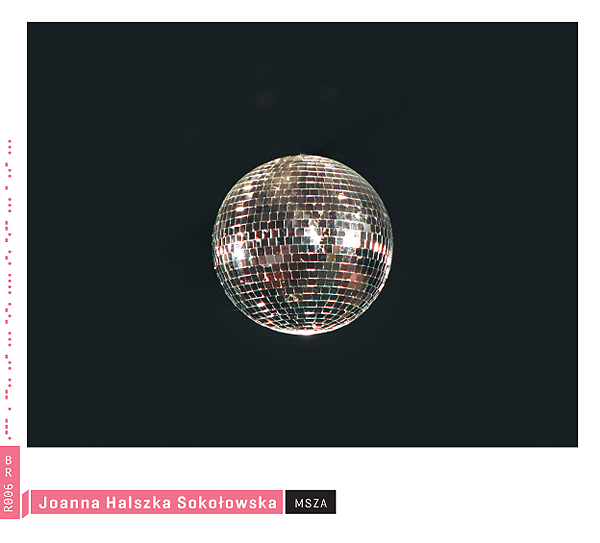
Ashley’s composition „In Sara Mencken, Christ and Beethoven there were men and women”. The starting point was bringing thousands of people together. Everyone equal, nobody playing secondary role; all organized into sections, every section being a variant of another. The difference is in names, like in the airport, or art world, or Facebook, or disco, or Bible. What brings these people together? What is the new entity they form? What is there between Sara Powell Hardt and Claud Henri de Saint-Simon? Luigi Pirandello and Jane Austen? We take Wolgamot as a soothsayer of Facebook, disco and mass -“ environments of the descension of God. There is Gertruda Stein waiting for him, trusting that everything can be found in names. There is Ludwig van Beethoven completing his „€śmost successful piece”. There is Rainer Maria Rilke translating his „€śNotes on the Melody of Things”. There is a choir laying on the floor and€“ bringing God down. And they are all informed by numerological methods, scientific statistics and cabalistic interpretation of the Tree of Life. And they are all framed by a disco ball.
Płyta zawiera studyjną wersję opery kameralnej stworzonej przez Halszkę Sokołowska w ramach cyklu Opera// REMIX w Komunie// Warszawa. Punktem wyjścia był poemat Johna Bartona Wolgamota pt. „In Sara Mencken, Christ and Beethoven there were men and women” oraz kompozycja Robert Ashley'a pt. „In Sara Mencken, Christ and Beethoven there were men and women”. Ale przede wszystkim idea gromadzenia się mas ludzkich – takich, w których wszyscy są równi i nikt nie odgrywa drugoplanowych ról; zorganizowanych w rozmaite grupy, z których każda jest wersją innej. Takich, w których różnice dotyczą wyłącznie imion i nazwisk. Jak na lotnisku, w świecie sztuki, na Facebooku, w dyskotece albo w Biblii. Co sprawia, że ci ludzie są razem? Jakiego rodzaju wspólnotę tworzą? Co takiego zachodzi między Sarą Powell Hardt i Claudem Henrim Saint-Simonem? Luigim Pirandello i Jane Austen? Wolgamot jest tutaj traktowany jako prorok Facebooka, dyskotek i innych masowych zgromadzeń ludzkich.€“ Środowisk, w których - jego zdaniem - Bóg zstępuje na ziemię. Jest tam już Gertruda Stein twierdząca, że wszystko można znaleźć w samych nazwach. I Ludwig van Beethoven kończący swój "najdoskonalszy utwór". Jest Rainer Maria Rilke piszący swoje „€śNotatki o melodii rzeczy". A także chór leżący na ziemi i sprowadzający Boga. Wszyscy oni znają doskonale metody współczesnej numerologii, statystyki naukowej oraz kabalistyczne interpretacje Drzewa Życia. I wszyscy mieszczą się w jednej kuli dyskotekowej.










 serpent.pl /
shop /
latest /
special offers /
new /
recommended /
labels /
artists /
bestsellers /
shipping costs /
help /
terms and conditions /
contact
serpent.pl /
shop /
latest /
special offers /
new /
recommended /
labels /
artists /
bestsellers /
shipping costs /
help /
terms and conditions /
contact