muzycy:
The Gnostic Trio:
Carol Emanuel: Harp
Bill Frisell: Guitar
Kenny Wollesen: Vibes
Editor's info:
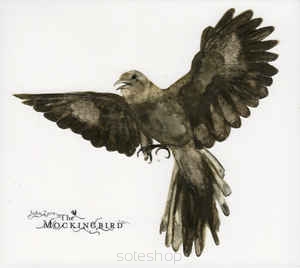
Featuring the magical sonorities of Bill Frisell’s guitar in a heavenly tapestry of harp and vibraphone, the Gnostic Trio is one of the most sublime ensembles in Zorn’s ever-expanding universe. Their sixth CD is their best yet, and presents gorgeous and intimate chamber music touching upon themes of innocence, adventure, childhood and longing that unfold like an exotic flower. Inspired by the charming character Scout from the American classic “To Kill A Mockingbird” and tempered by a folk-like simplicity, Zorn and company spins a hypnotic web of melodic beauty to soothe the restless spirit.
birdistheworm.com - Recommended!:
There’s no new territory opened up here. This is not a re-imagining of past Gnostic Trio recordings. There are no moments on The Mockingbird where you will say, wow, this is something completely different. This is the same ol’ stuff as I’ve written about before. The thing of it is, though, that more of the good stuff from the trio of guitarist Bill Frisell, harpist Carol Emanuel and vibraphonist Kenny Wollesen is as fine a gift as you could ask for. The compositions of John Zorn open up the door wide for the trio to roll out one gorgeous melody after the other. The harmonic and rhythmic elements add essential character to each song, and show the compositions are more than one-dimensional beauty. But not for nothing, those melodies are the thing that’s gonna get their hooks into you and enchant and mesmerize and break your hearts before rebuilding them from scratch.
Cheery tracks like “Scout” key off the melodic-rhythmic axis where guitar and vibraphones meet, and it’s why it’s the perfect music for a walk on an autumn day, when the gloom of winter is hinting at its arrival, but colors are everywhere you look. When Emanuel’s harp is dictating the action, as it does on “Riverrun,” the melodies are bold....... more
Filigrany Johna Zorna ukoją duszę zmęczoną napastliwością współczesnego świata człowieka. Wystarczy tylko dać jemu szansę.
Gnostyczne trio już po raz szósty po mistrzowsku realizuje unikalną zornowską koncepcję, napędzaną przez myśl ezoteryczną. Jeśli u podstaw gnostycyzmu leży negatywne doświadczenie aktualnego stanu rzeczywistości i mocna na to reakcja, to kompozycje Zorna są tego mocnym akcentem. Osiem utworów, raz promienistych, radosnych, miejscami mrocznych, momentami tajemniczych. Łagodne, momentami hipnotyczne, łatwo wpadające w ucho melodie płyną niespiesznie przypominając impresje Satiego czy Debussy'ego, repetycje Glassa.
W opisie do płyty John Zorn przywołuje książkę amerykańskiej pisarki Harper Lee 'Zabić drozda/To Kill a Mockingbird'z 1960 roku, wstrząsającą historię o dzieciństwie i kryzysie sumienia. Unikalny nastrój książki, w której optyka sześcio, siedmio a następnie ośmioletniej bohaterki pozwala czytelnikowi na obserwację prowincjonalnej społeczności, bez rządzących światem dorosłych stereotypów, doskonale konweniuje z nastrojem płyty, będącym zmysłową, magiczną wypadkową muzyki klasycznej, jazzu i muzyki tradycyjnej.
"The Mockingbird" wypełnia muzyka, która w zasadniczy sposób nie różni się od poprzednich, choć o żadnej z dotąd płyt Gnostic trio nie można było powiedzieć, że została zdominowana przez gitarę Frisella. To jego instrument wyznacza kierunki, stawia akcenty. Jednak rola harfistki Carol Emanuel i wibrafonisty Kenny'ego Wollesena jest niebagatelna.










 serpent.pl /
shop /
latest /
special offers /
new /
recommended /
labels /
artists /
bestsellers /
shipping costs /
help /
terms and conditions /
contact
serpent.pl /
shop /
latest /
special offers /
new /
recommended /
labels /
artists /
bestsellers /
shipping costs /
help /
terms and conditions /
contact