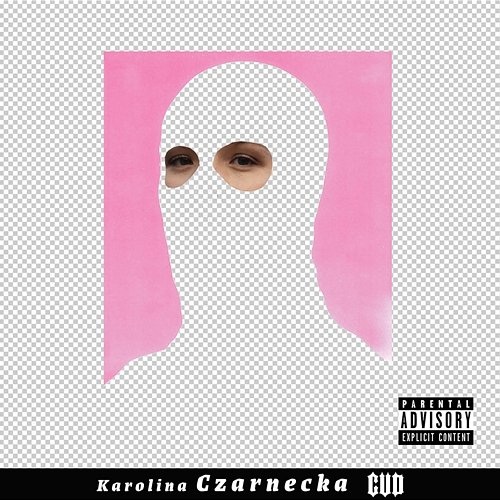
The album “Cud” is the third album by Karolina Czarnecka, an interdisciplinary artist who this time has set off into the masculinized world of hip-hop. She spins her story against the backdrop of beats, into which folk threads have been skillfully woven. The result of this marriage is a one-of-a-kind folk rap. It is an aesthetic, but also cultural, due to the lyrics, clash of the West with the East, the sacred with the profane, emotions with reason.
The artist juxtaposes the conservatism and magic of her native Podlasie with the liberal bubble that Warsaw, where she lives, co-creates. Another important accent is the caesura, which is marked by the 30th birthday of Czarnecka and the Third Polish Republic, this clue can be found, among others, in the song “Trzydzieści”.
The album is divided into three parts, and each of them opens with a Podlasie song. However, this division is rather conventional and does not refer strictly to the subject matter of the lyrics. Side by side, there are such different issues as a call for (self-)acceptance and tolerance in "Młodl się za nami", a critique of consumerism in "Nachapacze", a manifesto of independence in "Pielgrzymka", or a reference to primal forces and instincts in "Duszewność".
A lot of threads, but everything with so-called total honesty, energetic, but also nostalgic, with clarinet, accordion and violin parts that ennoble the whole. A kind of credo of this album is the title and at the same time the refrain of the last song - "Poland must believe in love". And maybe then a miracle will happen?
Płyta „Cud”, to trzeci album Karoliny Czarneckiej, artystki interdyscyplinarnej, która tym razem ruszyła w zmaskulinizowany świat hip-hopu. Swoją opowieść snuje na tle bitów, w które zgrabnie zostały wplecione wątki folkowe. Wynikiem tego mariażu jest jedyny w swoim rodzaju folkorap. To estetyczne, ale i kulturowe, za sprawa tekstów, zderzenie Zachodu ze Wschodem, sacrum z profanum, emocji z rozsądkiem.
Artystka zestawia ze sobą konserwatyzm i magię rodzinnego Podlasia z liberalną bańką, którą współtworzy Warszawa, w której mieszka. Ważnym akcentem jest również cezura, którą wyznaczają 30. urodziny Czarneckiej i III RP, ten trop odnajdziemy m.in. w utworze „Trzydzieści”.
Płyta jest podzielona na trzy części, a każdą z nich otwiera podlaska pieśń. Ale ten podział jest raczej umowny i nie odnosi się ściśle do tematyki tekstów. Obok siebie pojawiają się tak różne kwestie, jak wołanie o (samo)akceptację i tolerancję w „Módl się za nami”, krytyka konsumpcjonizmu w „Nachapaczach”, manifest niezależności w „Pielgrzymce”, czy odwołanie się do pierwotnych sił i instynktów w „Duszewności”.
Dużo wątków, ale wszystko z tzw. totalną szczerością, energetycznie, ale i nostalgicznie, z uszlachetniającymi całość partiami klarnetu, akordeonu czy skrzypiec. Swoistym credo tej płyty jest tytuł i jednocześnie refren ostatniej piosenki - „Polska musi uwierzyć w miłość”. I może wtedy stanie się cud?










 serpent.pl /
shop /
latest /
special offers /
new /
recommended /
labels /
artists /
bestsellers /
shipping costs /
help /
terms and conditions /
contact
serpent.pl /
shop /
latest /
special offers /
new /
recommended /
labels /
artists /
bestsellers /
shipping costs /
help /
terms and conditions /
contact