muzycy:
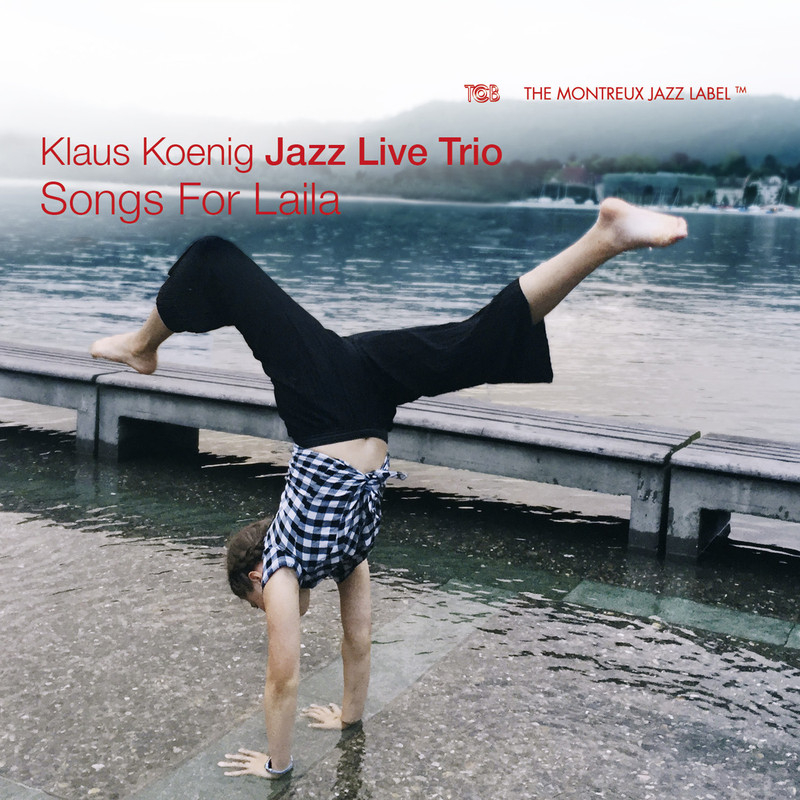
Klaus Koenig (piano)
Patrick Sommer (double bass)
Andi Wettstein (drums)
Editor's info:
In classical music, the term “piano trio” signifies a formation consisting of violin, cello and piano. From Beethoven to Brahms and beyond, there is a wealth of composition for this highly productive chamber music structure. The jazz friend, on the other hand, understands “piano trio” as a combination of piano, double bass and drums. That’s what we’re talking about here. Precursors of this preeminently important line-up in the jazz world were undoubtedly the pianists who developed the “stride style” early on, and were able to play fully – and cheaply – without the support of a rhythm section. But later the addition of bass and drums allowed more rhythmic, melodic and tonal richness. It also freed pianists from the need to mark rhythm with their left hand, allowing the development of new piano styles. In addition, the trio became the ideal partner for wind instruments. One-wind-plus-trio quartets and two-wind quintets soon came to dominate the jazz scene.
To this day, a very large part of jazz production is based on these instrumental combinations, which often are expanded to include additional wind instruments. Singers also discovered and still use the trio as their accompanying formation. In the turbulent ‘60s and ‘70s, when some jazz musicians, following pioneers such as Cecil Taylor and Paul Bley, began to explore free improvisation, they began to leave the constraints of the trio behind. With new ideas of a music freed from the shackles of fixed form and harmonies, egalitarian concepts were adopted. The subservient role of a merely accompanying element associated with the term “rhythm section” vehemently contradicted this trend. The Free Jazz revolution is probably inseparable from the large youth developments of the 1960s: the flower power movement in the USA and the generation of ‘68 over here. In music – and probably not just in....... więcej


 NOŚNIKI








 serpent.pl /
sklep /
ostatnio dodane /
promocje /
nowo?ci /
polecamy /
wydawcy /
wykonawcy /
bestseller /
koszty wysy?ki /
pomoc /
regulamin /
kontakt /
serpent.pl /
sklep /
ostatnio dodane /
promocje /
nowo?ci /
polecamy /
wydawcy /
wykonawcy /
bestseller /
koszty wysy?ki /
pomoc /
regulamin /
kontakt /