muzycy:
Björk Níelsdóttir: voice
Laura Polence: voice
Ada Rave: tenor saxophone, clarinet (1/I, 7/I, 4/II)
Ab Baars: clarinet, tenor saxophone (3/II, 4/II), shakuhachi (6/I)
George Dumitriu: violin, viola
Kaja Draksler: piano, conducting (4/II)
Lennart Heyndels: double bass
Onno Govaert: drums, orchestral percussion, piano (4/II)
Editor's info:
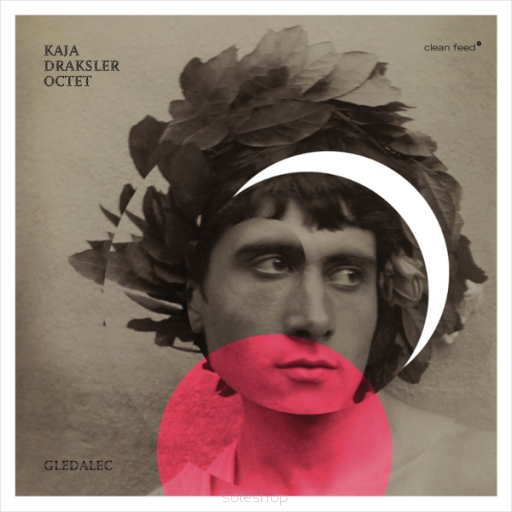
It’s no wonder that a pianist with such a large sonic vision of her own instrument has an orchestral way of imagining sound and sonic associations, with her dedications to both the solo and the large ensemble formats complementing each other. Unexpected could be her interest to the song imprint and the voice (here delivered to the singers Bjork Nielsdottir and Laura Polence), because the impulse to work with it comes from other concerns and interests, but the Slovenian artist values timbre and acoustic quality in a special way: her love for vocal music is understandable. Yet, there’s something else in “Gledalec” explaining this new adventure. That “something else” has an extra-musical motive: Draksler’s love for poetry, going the choices in this double album to the words of Pablo Neruda and Andriana Minou. Two horns join the two voices, but that doesn’t mean there are unisons going on. The instrumentation undergoes constant permutations, and the work done by the piano, the double bass and the drums (Kaja Draksler herself, Lennart Heyndels and Onno Govaert, also playing piano when the leader is conducting) isn’t what you would expect from a conventional rhythm section. Much in the same way, violinist George Dumitriu hasn’t a fixed role. The chamber feel of the music keep the songs away from something of pop or folk manufacturing, and that’s particularly intriguing.
Ten podwójny album Kaji Draksler, słoweńskiej pianistki, improwizatorki i kompozytorki, wymyka się wszelkim muzycznym szufladkom. Rozwija ona bowiem swoją muzyczną wizję w poetycką suitę przesyconą z jednej strony miłością do komponowanej muzyki kameralnej, w którą jednocześnie wprowadza całkiem spore partie wypełnione solowymi, triowymi lub zbiorowymi improwizacjami. Ukazuje w niej splecione ze sobą własne fascynacje - kulturą europejską ze szczególnym uwzględnieniem gregoriańskiego chorału i europejskiej poezji (wykorzystuje tu m.in. melorecytowane wiersze Pablo Neruda i Andriany Minou); folklorem Europy (szczególna rola skrzypka George Dumitriu i zahaczające o folk, ale i operę partie wokalne); afektem dla ludzkiego głosu - to nie tylko recytowana poezja podkreślająca rolę słowa (logosu) w zachodnioeuropejskiej kulturze, ale i odwołania do sakralnej roli śpiewu.
Całość jest niezwykłym i unikatowym dziełem w której często wszystkie te formuły i odwołania nakładają się na siebie, występują i - momentami - wybrzmiewają równocześnie. I nie ma w tej muzycznej, skomplikowanej wizji śladów szwów i łączenia, zdaje się być nierozerwalną, fascynującą całością w której na różnych poziomach dochodzą do głosu epoki i formy. We wszystko to jakby mimochodem, wprowadzona zostaje jeszcze jazzowa tradycja, bowiem Kaja Draksler, pianistka i improwizatorka chce sobie jeszcze pograć i poimprowizować w swoim autorskim, klasycznym trio. A naprawdę, ona i jej partnerzy (Lennart Heyndels i Onno Govaert) umieją to robić. Podobnie jest także z saksofonistami – Ab Baars to znana i ceniona marka, ale już młoda Ada Rave to dla mnie prawdziwe objawienie.










 serpent.pl /
shop /
latest /
special offers /
new /
recommended /
labels /
artists /
bestsellers /
shipping costs /
help /
terms and conditions /
contact
serpent.pl /
shop /
latest /
special offers /
new /
recommended /
labels /
artists /
bestsellers /
shipping costs /
help /
terms and conditions /
contact