Piotr Dang - produkcja, instrumenty elektroniczne, mix (wszystkie utwory) głos (4), bass guitar (4)
Certifyd - głos (2)
Peter Kaunda - głos (3, 5)
Martin Kaphukusi - głos (6)
Masaya Hijikata - perkusja (1, 4), mix (1, 5), głos(4)
Michał Pawłowski - gitara (4)
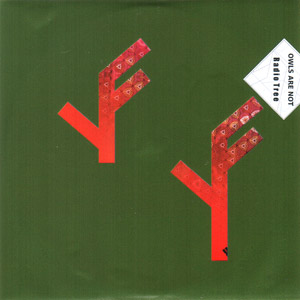
"Radio Tree" is the fourth studio release of Owls Are Not. Like the previous album of the band ("isnot"), it refers to the form of a radio transmission. This time, however, "broadcast" is the result of months of ethnomusicological research of the band's leader in Malawi and Tanzania. Four of the six songs were composed by the band with Eastern African vocalists: Peter Kaunda from Tonga Boys, appearing as soloist Certifyd and Martin Kaphux Kaphukusi, who is the conductor of the small choir Christ Church of Malawi. Masaya Hijikata, known among others from the Sehno project contributed to the other two compositions and in one song you can hear the guitar part performed by Michał Pawłowski (newspaperflyhunting, Vendrae Vendarum).
Musically, the album is based on a rhythmic multi-layered, which can be described with such idioms as minimal-afro-funk or freesingeli-punk. Owls Are Not combine club electronics (minimal, footwork, dub) with traditional (malipenga in "Bea B-58", vimbuza in "Lovefood") and modern (singeli in "Radio Tree" and "Lovefood") rhythms from eastern Africa. This is complemented by the "Broadcast from Nowhere" sound collage inspired by the work of Pierre Henry, combining free improvisation, dark new age with electro in the style of the Yellow Magic Orchestra and oneiric pop (a fragment of a song houserecorded in 2006).
The production is also multi-dimensional and interweaves live rhythms (percussion and percussion synthesizers), digital programming, short loops and even shorter samples (including granular synthesis). A fixed pulse typical for electronic music transforms into organic sound structures (like a hybrid of a radio and a tree).
As befits for radio recording, the main theme of lyrics written by African vocalists is love ("Asali", "Bea B-58"). Sometimes it has a spooky dimension of a cannibalistic desire (Peter Kaunda sings in "Lovefood" "you're my butter, you're my fanta, your smooth skin like avocado....... more
"Radio Tree" jest czwartym studyjnym wydawnictwem Owls Are Not. Podobnie jak poprzednia płyta zespołu ("isnot"), tak i ten album nawiązuje do radiowej transmisji. Tym razem jednak "audycja" jest efektem wielomiesięcznych badań etnomuzykologicznych lidera zespołu w Malawi i Tanzanii. Cztery z sześciu utworów skomponowali z zespołem wschodnioafrykańscy wokaliści: Peter Kaunda z Tonga Boys, występujący jako solista Certifyd oraz Martin Kaphux Kaphukusi, który jest dyrygentem niewielkiego chóru Christ Church of Malawi. W pozostałe dwie kompozycje ważny wkład wniósł Masaya Hijikata, znany m.in. z projektu Sehno, a w jednym utworze słychać partię gitary w wykonaniu Michała Pawłowskiego (newspaperflyhunting, Vendrae Vendarum).
Muzycznie płyta opiera się na rytmicznej wielowarstwowości, którą można opisać takimi idiomami jak minimal-afro-funk, czy free-singeli-punk. Owls Are Not łączą klubową elektronikę (minimal, foot-work, dub) z tradycyjnymi (malipenga w "Bea B-58", vimbuza w "Lovefood") i nowymi (singeli w "Radio Tree" i "Lovefood") rytmami ze wschodniej Afryki. Dopełnia tego kolaż dźwiękowy "Broadcast from Nowhere" zainspirowany twórczością Pierre’a Henry’ego, zestawiającą swobodną improwizację, mroczną wersję new age z electro w stylu Yellow Magic Orchestra i onirycznym popem (fragmentem piosenki nagranej w 2006 roku).
Produkcja ma również wiele poziomów: przenikają się rytmy grane na żywo (perkusji i syntezatorów perkusyjnych), programowane partie, krótkie loopy i jeszcze krótsze sample (w tym synteza granularna). Typowy dla muzyki elektronicznej stały puls przekształca się w hybrydową tkanką dźwiękową (jak połączenie radia i drzewa).
Jak na radiowe piosenki przystało, głównym tematem napisanych przez afrykańskich wokalistów tekstów jest miłość ("Asali", "Bea B-58"). Czasem ma ona niepokojący wymiar kanibalistycznego pożądania (Peter Kaunda śpiewa w "Lovefood" you’re my butter, you’r....... more










 serpent.pl /
shop /
latest /
special offers /
new /
recommended /
labels /
artists /
bestsellers /
shipping costs /
help /
terms and conditions /
contact
serpent.pl /
shop /
latest /
special offers /
new /
recommended /
labels /
artists /
bestsellers /
shipping costs /
help /
terms and conditions /
contact