muzycy:
Kira Skov, Steen Jorgensen, Anna Bronsted: Vocal
Nicolai Munch-Hansen: Vocal, bass, acustisc guitar, piano, keys, cello
Oliver Hoiness: Guitar
Adi Zukanovic: Keys
Sebastian Rochford: Drums, percussions, effects
Peter Laugesen: Voice
Editor's info:
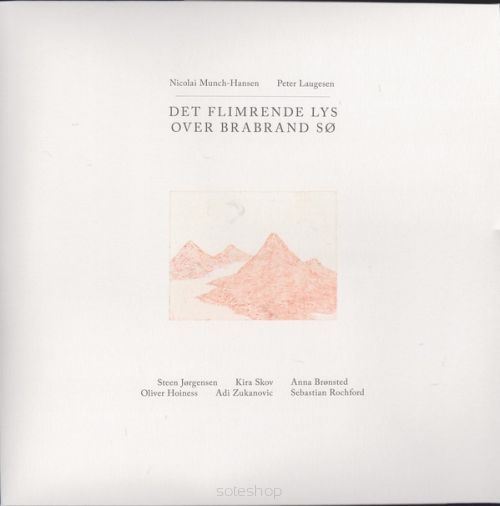
What is a poem? What is a song? A poem is a pile of words in a landscape of writing just waiting to be a song. Just as Jeppe Aakjars poem “Jens Vejmand” waited for Carl Nielsen to stop by. And just as the poems of Peter Laugesen have waited for quite a while for Nicolai Munch-Hansen to stop by. And when the song is there, it has to be sung. It needs a singer.
A voice. It can be anyone and it can be a very unique voice, a unique singer like Kira Skov or Steen Jorgensen. A symphonic voice which by itself is its own world. Or it can be Nicolai Munch-Hansens own voice, steadfast and sober, wandering up and down stairs, which tells the story till it is truly told.
And there is a need to create a landscape of sound, of music around the voices, which can replace the original landscape of writing. And that does Oliver Hoiness with his majestic guitar sound, which grows from the melodies and bass lines of Nicolai Munch-Hansen. When the voice of Anna Bronsted appears along with the keyboard of Adi Zukanovich we are simply floating in THE FLICKERING LIGHT OVER THE LAKE OF BRABRAND where the poems originated.
That is a good place. Everything is simple, elementary. Everything is what they are, alas. What is that really? It is a poem, it is a song. It is a breath you can hear just like when the birds are singing their little songs of nothing and the continent of dreams are growing in our mind at night.
Peter Laugesen (born in 1942 in Copenhagen) is a Danish poet and playwright who lives in Brabrand. He graduated from Aarhus Katedralskole in 1961 and is a trained typographer. He had his debut with the poetry collection “Landscape” in 1967 and has to this day had almost 100 releases, mainly poetry collections but also dramatization for theater and music releases.
Peter Laugesen received in 1992 the great award from The Danish Academy. He has since 1997 been a member of The Danish Academ....... more
Każdy, kto pamięta dorobek przedwcześnie zmarłego Hectora Zazou, francuskiego muzyka, kompozytora, producenta muzycznego, w szczególności płyty "Sahara Blue" z poezjami Arthura Rimbauda i "Chansons des mers froides/ Pieśni z zimnych mórz", koniecznie powinien sięgnąć po płytę "Det Flimrende Lys Over Brabrand Soslash" Nicolaia Munch-Hansena, w życiu osobistym męża Kiry Skov.
Drugim bohaterem pyty jest duński poeta Peter Laugesen (rocznik 1942), najsłynniejszy przedstawiciel powojennego pokolenia artystycznej, zrewoltowanej kontrkultury w literackiej Danii. Wiele łączy go z amerykańskimi beatnikami, Allenem Ginsbergiem, Jackiem Kerouackiem i Williamem Burroughsem.
Co prawda trójka najsłynniejszych duńskich literatów humanistów, to Hans Christian Andersen, Soren Kierkegaard i Karen Blixen, współczesna Dania ma w tym zakresie do zaproponowania bardzo wiele. Duńczycy nie czują kompleksów wobec nikogo, mają znakomite osiągnięcia w kulturze, nauce, gospodarce i organizacji życia społecznego, a duński film, design i architektura to marki w skali światowej. Ze świata literatury wystarczy wspomnieć Nilsa Hava, Marianne Larsen, Yahya Hassana czy właśnie Petera Laugesena, by zrozumieć potencja tkwiący w tym niezbyt licznym społeczeństwie.
Na "Det Flimrende Lys Over Brabrand Soslash" dominuje ulotna meancholia, ascetyczna, surowa, kunsztownie wyprodukowana muzyka. Całość autorstwa Nicolaia Munch-Hansena, jest ona trudna do gatunkowego przypisania, przykuwa uwagę od pierwszego utworu z Kirą Skov w roli głównej. Usłyszymy jeszcze głosy Steena Jorgensena, Anny Bronsted i samego lidera.
Jeśli poezja jest świadectwem wolności, to wspólna praca Hansena i Laugesena to świadectwo niepodległości twórczej i myślowej ludzkiej natury. Trudno nie zachwycić się tym materiałem, sposobem, w jaki te piosenki ucieleśniają ducha zrewoltowanej poezji i filozofii. Podobnie jak w przypadku wspomnianych albumów Hectora Zazou, intencją Much-Hansena nie było s....... more










 serpent.pl /
shop /
latest /
special offers /
new /
recommended /
labels /
artists /
bestsellers /
shipping costs /
help /
terms and conditions /
contact
serpent.pl /
shop /
latest /
special offers /
new /
recommended /
labels /
artists /
bestsellers /
shipping costs /
help /
terms and conditions /
contact