The luminous 3rd album from the acclaimed Korean multi-instrumentalist and composer. A gorgeous meditation on the intersection of music and light.
“The beauty of Jiha’s work lies in the spaces she leaves” – The Guardian
———————————————————–
How often do we consider light? We revel in the soft wonder of a sunrise or the majesty of a glorious sunset, but all through the day its quality and texture is continually changing, second by second, in ways we rarely register. That beauty is the inspiration for The Gleam, the third album from Korean composer and instrumentalist Park Jiha.
She distils light into sound, from the first flicker of morning on the horizon in “At Dawn” all the way to the moment when full darkness falls again in “Nightfall Dancer,” capturing the essence of it in notes and silence.
The album had its origin with the piece “Temporary Inertia,” she explains, which was created for a performance as “a meditative improvisation in a bunker designed by the architect Ando Tadao, where the ceiling had an open light way going across the room, it slowly moves during the day and leaves a very special impression when inside. I thought I could capture the emotions light gives me being just as an observer, the textures, intensity, warmness… the constant movement of light itself seems to look inert at points and needs time to be seen, to reveal things and angles you wouldn’t realize otherwise.”
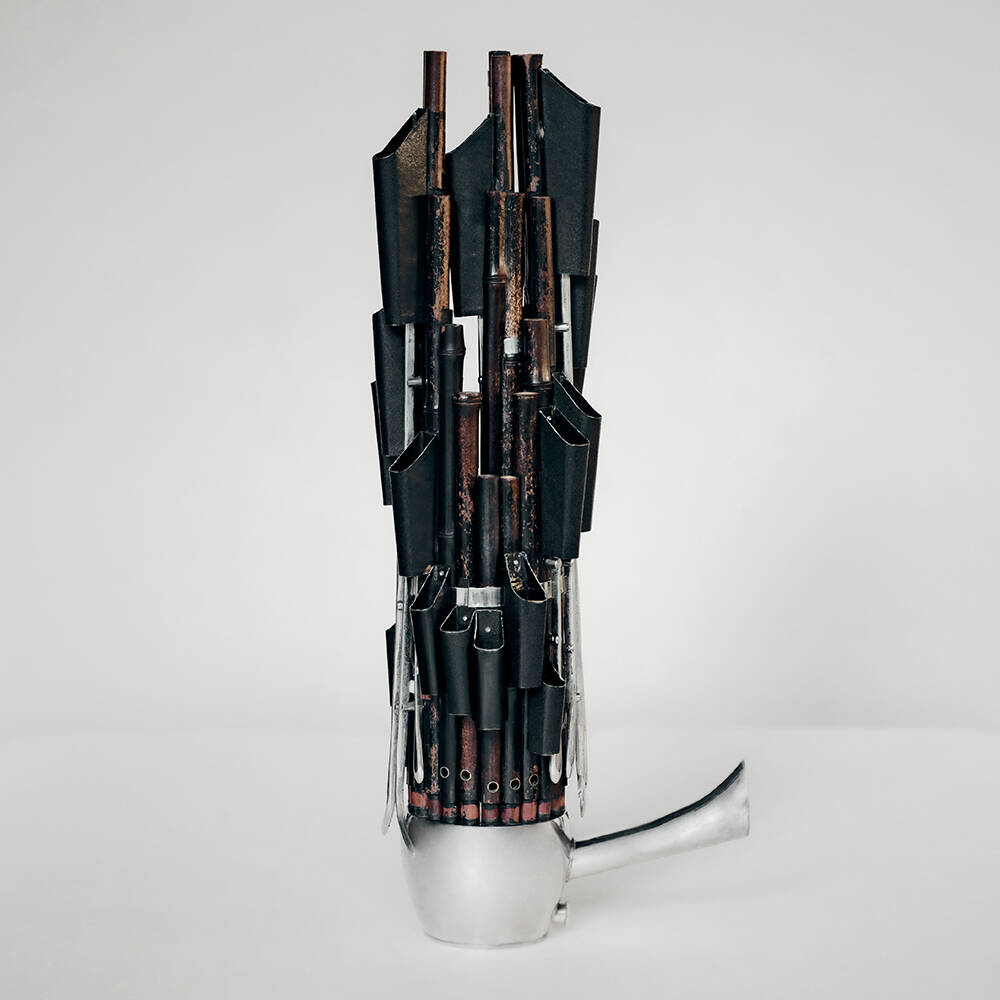
Like its predecessor, Philos, The Gleam is a completely solo work, all the music composed and played by Park Jiha on the piri, a type of oboe, the saenghwang, a mouth organ (shown on the album cover art), the hammered dulcimer known as the yanggeum, and glockenspiel. There’s a stark clarity to the sound, yet ....... more
Nowa, trzecia płyta niezwykłej koreańskiej artystki.
Fragment recenzji z Anxious Magazine:
"Podobnie jak w przypadku poprzednich wydawnictw Park Jiha zagrała i zarejestrowała je całkowicie samodzielnie, przy użyciu m.in. takich instrumentów jak piri (rodzaj oboju), seangwhang (harmonijka ustna widoczna na okładce), czy cymbały młotkowane, znane jako yanggeum. Stały się one narzędziem do stworzenia kolejnych utworów, które w połączeniu z jej emocjami i wyobraźnią tworzą coś niespotykanego." Wojciech Żurek










 serpent.pl /
shop /
latest /
special offers /
new /
recommended /
labels /
artists /
bestsellers /
shipping costs /
help /
terms and conditions /
contact
serpent.pl /
shop /
latest /
special offers /
new /
recommended /
labels /
artists /
bestsellers /
shipping costs /
help /
terms and conditions /
contact