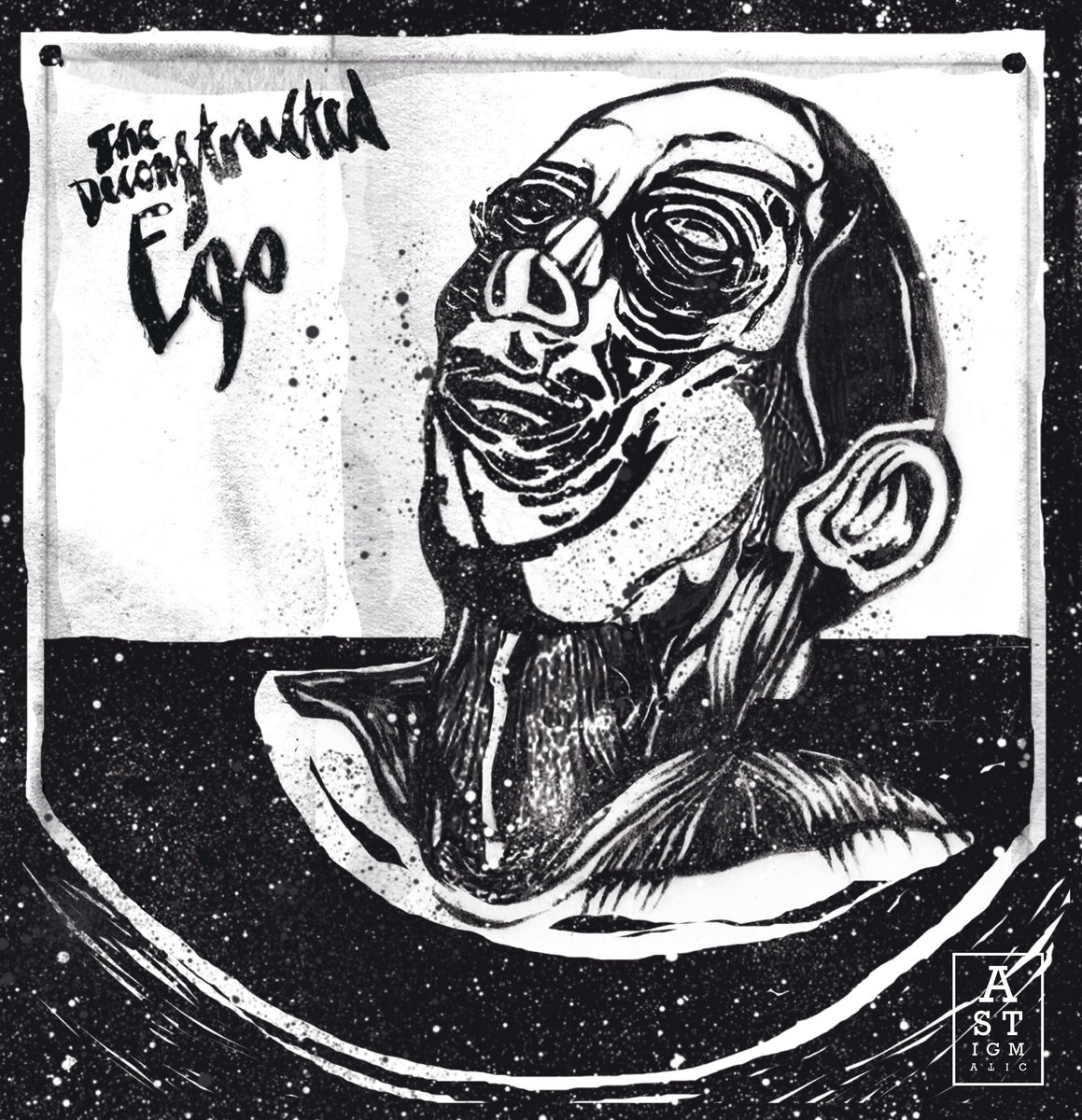
2022 edition, screenprinted cover, limited to 1000 copies
first release: Jully 14, 2016
Zohaib Hassan Khan - Sarangi
Kashif Ali Dhani - Tabla and vocals
Qammar Vicky Abbas - Cajon and vocals
Ali Riaz Baqar - Guitar and kalimba
AUDIO:
Muneer Khan - Tracks 1,2,5,7 and 8
Jamal Rahman - Tracks 3 and 6
Raheel Fayaaz - Track 4
ARTWORK:
Anne Selling
BONUS:
J Dilla cover of "Time: Donut of the heart"
Improvisations in Raag Hans Dhuni
Jaubi (جو بھی) is an urdu word roughly translating to "whatever".
Creating whatever sounds good and whatever feels good is the goal.
Elements of Hindustani (North Indian) classical music used.
In Pakistan, interest and respect for local traditional music is slowly dying. Crowds of listeners have turned their attention to the sounds coming from the West. Fewer and fewer young musicians reach for instruments such as sarangi, cajon or tabla. No wonder, we live in times of rapid exchange of information and instant interaction, and traditional Indian music is very difficult and requires a whole life to be devoted to it to reach the mastery level. Fortunately, the Jaubi quartet appeared, which, cultivating the musical roots of its ancestors, boldly looks to the future, reconstructing, for example, the beats of the legendary J Dilla.
Jaubi (pronounced Jaw-Be) is an experimental ensemble based in Lahore, Pakistan. The line-up was formed in 2013 and consists of: Zohaib Hassan Khan (sarangi), Kashif Ali Dhani (tabla), Qamar Abbas (cajon) and Ali Riaz Baqar (guitar). The word “jaubi” roughly translates to “whatever” or “whoever” in Urdu, and thus explains the band’s philosophy of “creating whatever sounds good to whomever.” The musicians place a strong emphasis on incorporating intricate elements of Indian classical music (e.g. Konnakol, or vocal syllables used to create rhythmic compositions), and to play and compose everything by ear. Nothing is ever written down, which is due to the phonetic and oral tradition in classical music. Hence, some of the recordings on “Deconstructed Ego EP” sound quite raw.
Zohaib is an 8th generation sarangi musician from the Amristar Gharana family. Kashif and Qammar are also from a musical family. The whole thing is held together by Ali, who is a self-taught guitarist and a huge hip-hop enth....... more
W Pakistanie zainteresowanie i respekt do lokalnej muzyki tradycyjnej powoli umiera. Rzesze słuchaczy skierowały swoją uwagę w kierunku brzmienia przychodzącego z zachodu. Coraz mniej młodych muzyków sięga po takie instrumenty jak sarangi, cajon czy tabla. Nic dziwnego, żyjemy w czasach szybkiej wymiany informacji i błyskawicznej interakcji, a tradycyjna muzyka indyjska jest bardzo trudna i wymaga poświęcenia jej całego życia, żeby osiągnąć poziom mistrzowski. Na szczęście pojawił się kwartet Jaubi, który kultywując muzyczne korzenie przodków, z odwagą spogląda w przyszłość, rekonstruując np. beaty legendarnego J Dilla.
Jaubi (wymawiane Jaw-Be) to eksperymentalne ensemble z siedzibą w Lahore (Pakistan). Skład został utworzony w 2013 roku i w jego skład wchodzą: Zohaib Hassan Khan (sarangi) Kashif Ali Dhani (tabla), Qamar Abbas (cajon) i Ali Riaz Baqar (gitara). Słowo “jaubi” z grubsza w języku Urdu oznacza “whatever” lub “whoever” i w ten sposób tłumaczy filozofię zespołu - “tworzenie czegokolwiek co brzmi dobrze dla kogokolwiek”. Muzycy nakładają silny nacisk na wprowadzanie skomplikowanych elementów indyjskiej muzyki klasycznej (np. Konnakol czyli sylaby wokalne używane do tworzenia kompozycji rytmicznych), oraz aby grać i komponować wszystko ze słuchu. Nic nigdy nie jest zapisane, co wynika z fonetycznej i oralnej tradycji w muzyce klasycznej. Stąd niektóre nagrania na “Deconstructed Ego EP” brzmią dość surowo.
Zohaib jest muzykiem 8-mej generacji sarangi pochodzący z rodziny Gharana Amristar. Kashif i Qammar również należą do muzycznej rodziny. Całość scala Ali, który jest samoukiem gry na gitarze i wielkim entuzjastą hip hopu. Pochodzenie muzyków z różnych środowisk pozwala na ciekawą fuzję pomysłów, przez co brzmienie Jaubi jest unikalne w skali światowej. “Zdałem sobie sprawę, jak ważny był i jest Dilla po dziś dzień, gdy słucham takich muzyków jak Robert Glasper c....... more










 serpent.pl /
shop /
latest /
special offers /
new /
recommended /
labels /
artists /
bestsellers /
shipping costs /
help /
terms and conditions /
contact
serpent.pl /
shop /
latest /
special offers /
new /
recommended /
labels /
artists /
bestsellers /
shipping costs /
help /
terms and conditions /
contact