The album is the first release devoted to the instrumental, traditional dance music of Polesie Lublin - the Polish part of the region extending further east to the Ukrainian-Belarusian border. We want the Polesie note, recovered from oblivion, to return to the Lake District and be still played for dancing.
The material on the album is the result of several years of work - adventurous field research, archival research, tracking down local repertoire, and searching for a way to perform it. Meetings and playing together with Mr. Edmund Brożek (born 1926), probably the only currently active violinist in this part of Polesie performing the traditional repertoire, played a huge role here. Some of the songs are melodies learned by Mr. Edmund in the 1940s from older colleagues, including those from a certain Rajzowiec - a semi-mythical wandering violinist, active in those parts in the interwar period. The source of the repertoire were also modest archival resources, including recordings of the violinist Paweł Słowik (born 1895) from the closet of the Lublin open-air museum and a pendrive with recordings of the harmonist Kazimierz Rożkowski (born 1900) waiting in the pocket of a grandson he met on the street in Orchówek, who happened to be there for moment from the other end of Poland. A few dance melodies played on the album have been preserved in the archives only in the singing recordings of women from the Włodawa area born at the turn of the 19th and 20th centuries.
The set included obereks, polkas, waltzes, cossacks, songs and chants - melodies operating at the intersection of Polish, Ukrainian and Jewish traditions, as well as the influence of "world music", which was becoming increasingly stronger in the Polesie countryside in the 1930s.
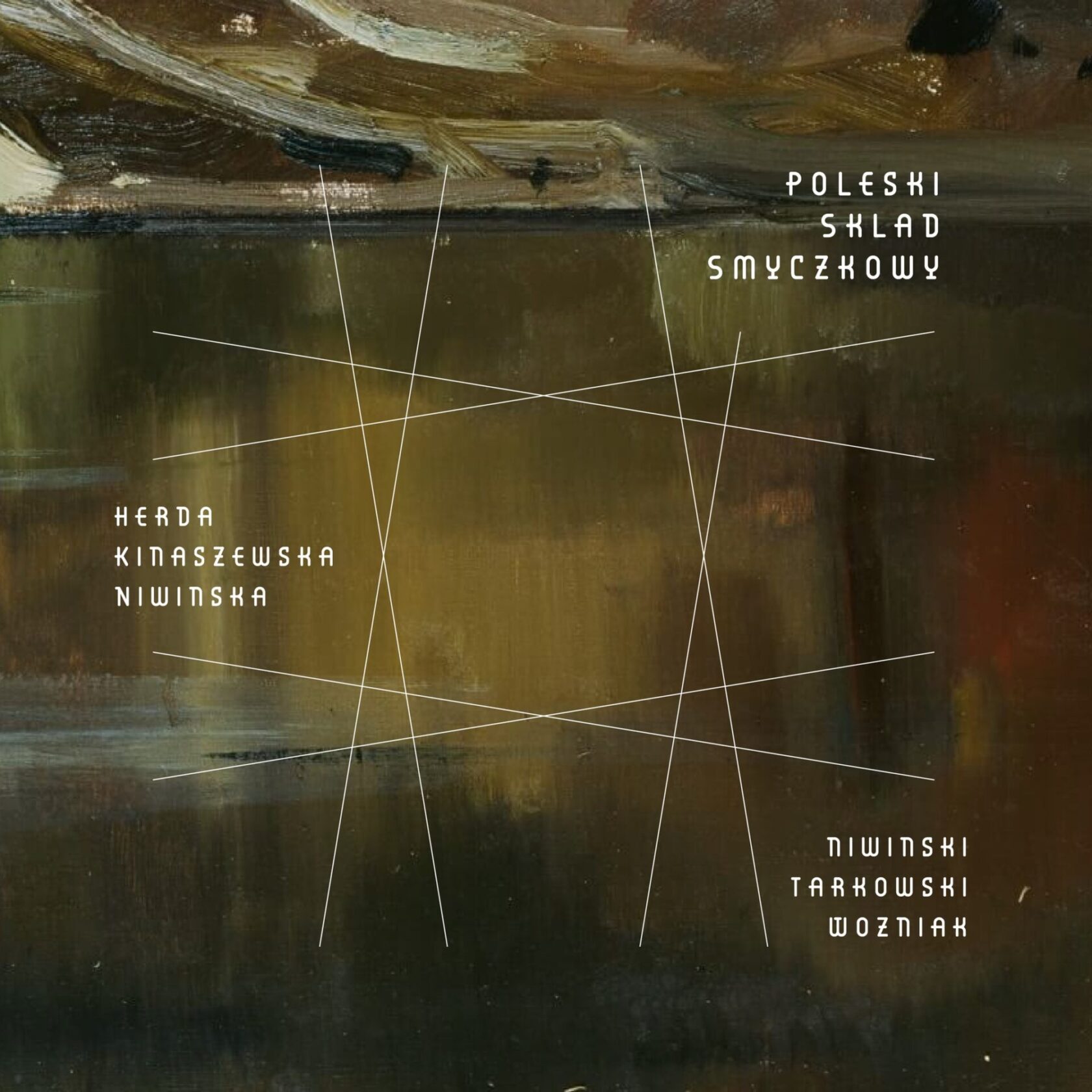
Poleski Skład Smyczkowy:
Piotr Herda – skrzypce
Paula Kinaszewska – skrzypce
Agnieszka Niwińska – bębny
Mateusz Niwiński – skrzypce
Jan Tarkowski – wiolonczela
Bartek Woźniak – skrzypce barytonowe, banjolele (17)
Gościnnie:
Edmund Brożek – skrzypce, opowieść (5, 6, 7, 9, 11, 19)
Polesie_PL:
Ewa Grochowska, Agnieszka Szokaluk, Julita Charytoniuk – śpiew (2, 4, 12, 14, 17)
Realizacja nagrań, mastering: Bartłomiej Woźniak
Projekt graficzny: Andrij Fil
Okładka: fragment obrazu Stanisława Baja
Koncept, koordynacja i w ogóle: Krzysztof Gorczyca
Płyta jest pierwszym wydawnictwem poświęconym instrumentalnej, tanecznej muzyce tradycyjnej Polesia Lubelskiego – polskiej części regionu rozciągającego się dalej na wschód na pogranicze ukraińsko-białoruskie. Zależy nam, aby odzyskana z niebytu poleska nuta wróciła na Pojezierze i była wciąż grana do tańca.
Materiał wykonany na płycie jest efektem kilkuletniej pracy - pełnych przygód badań terenowych, kwerend archiwalnych, tropienia miejscowego repertuaru, poszukiwania sposobu jego wykonania. Ogromną rolę odegrały tu spotkania i wspólne grania z panem Edmundem Brożkiem (rocznik 1926), najpewniej jedynym aktywnym obecnie w tej części Polesia skrzypkiem wykonującym tradycyjny repertuar. Część utworów to melodie poznane przez pana Edmunda w latach 40. XX w. od starszych kolegów, w tym pochodzące od niejakiego Rajzowca - na wpół mitycznego wędrownego skrzypka, aktywnego w tamtych stronach w okresie międzywojennym. Źródłem repertuaru były też skromne zasoby archiwalne, w tym nagrania skrzypka Pawła Słowika (ur. 1895) z szafy lubelskiego skansenu oraz pendrive z nagraniami harmonisty Kazimierza Rożkowskiego (ur. 1900) czekający w kieszeni napotkanego na ulicy w Orchówku wnuka, który akurat zajechał tam na chwilę z drugiego końca P....... more










 serpent.pl /
shop /
latest /
special offers /
new /
recommended /
labels /
artists /
bestsellers /
shipping costs /
help /
terms and conditions /
contact
serpent.pl /
shop /
latest /
special offers /
new /
recommended /
labels /
artists /
bestsellers /
shipping costs /
help /
terms and conditions /
contact